Containment Protocols That Stop Mold Spread
Mold remediation in Silverton for professional mold removal and prevention in homes with persistent moisture problems
Mold growth in homes with chronic moisture issues or water damage requires certified containment protocols to prevent spore dispersal during removal. Visible mold colonies on walls or ceilings indicate far more extensive growth behind surfaces where moisture accumulates unnoticed. PurePoint Cleaning and Restoration handles mold remediation using IICRC-certified containment methods that isolate affected areas with physical barriers and negative air pressure, preventing contamination of clean spaces. Silverton's persistent valley moisture and limited ventilation in older homes create ideal conditions for mold colonization in crawlspaces, attics, and wall cavities.
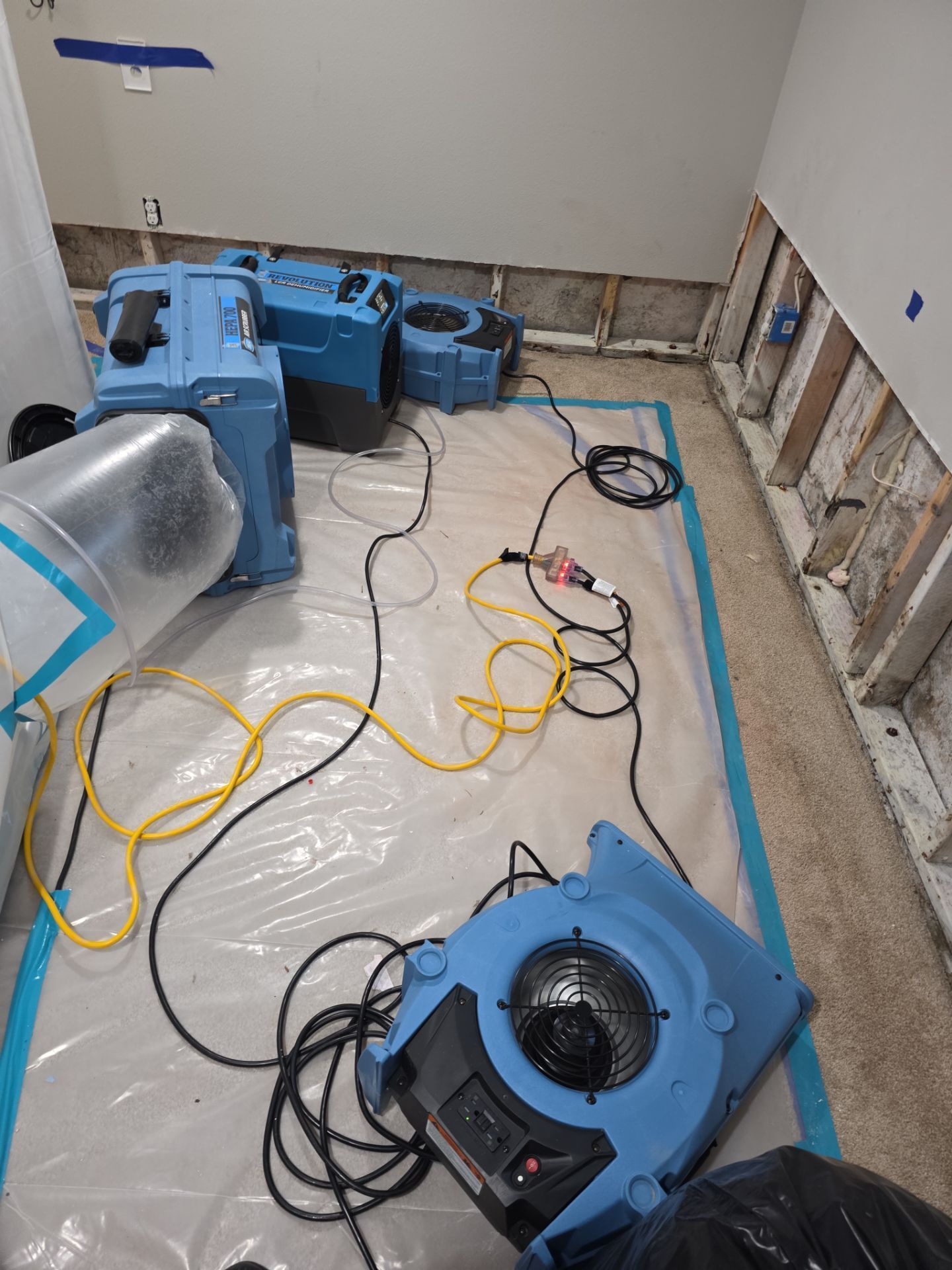
Mold remediation involves sealing the affected area with plastic sheeting, establishing negative air pressure using HEPA-filtered air scrubbers that exhaust outside, and removing contaminated materials while containing spore release. Non-porous surfaces are cleaned with antimicrobial solutions, and structural cavities are treated before reconstruction begins. The goal is complete removal of mold growth and contaminated materials, not surface cleaning that leaves root structures intact.
Request a mold inspection to identify growth areas and receive a remediation plan before contamination spreads.
Why Professional Containment Differs From Surface Cleaning
Professional mold remediation establishes physical containment zones with sealed barriers and negative air machines that pull air from the work area and exhaust it outside through HEPA filters, preventing millions of airborne spores from spreading to unaffected rooms during removal. This containment allows safe removal of moldy drywall, insulation, and framing materials without contaminating HVAC systems or adjoining spaces. IICRC protocols require specific air changes per hour and pressure differentials verified with manometers, ensuring that air flows from clean areas toward contaminated areas rather than the reverse.
After remediation, previously musty rooms no longer produce the distinctive odor that indicates active mold growth, and relative humidity drops to levels that prevent recolonization when proper ventilation is maintained. Surfaces that showed visible discoloration are either cleaned to remove all traces of growth or replaced entirely, leaving no residual contamination. Third-party testing verifies that airborne spore counts have returned to normal outdoor levels, providing documentation that the remediation was complete.
Remediation includes identifying and addressing the moisture source that allowed mold growth initially, whether it involves repairing leaks, improving ventilation, or correcting drainage problems. Without resolving the underlying moisture issue, mold will return regardless of how thoroughly surfaces are cleaned.
Questions Before Starting Mold Removal
Mold remediation requires certified containment and proper safety protocols, and property owners need to understand what professional removal involves versus attempts to clean mold with household products.
Why does containment matter during mold removal?
Disturbing mold colonies releases thousands of spores into the air that spread to clean areas and colonize new surfaces when moisture is present. Professional containment with physical barriers and negative air pressure prevents this dispersal, keeping spores confined to the work area where HEPA filtration captures them before they can spread.
What happens during a mold inspection before remediation?
Inspection identifies all areas of active growth, including hidden mold in wall cavities, crawlspaces, and attics that visual inspection cannot access. Moisture meters detect elevated levels in materials that indicate likely mold growth behind surfaces, and air sampling establishes baseline spore counts that post-remediation testing will verify have returned to safe levels.
How is professional mold removal different from cleaning visible mold?
Professional remediation removes contaminated materials entirely rather than cleaning surface growth, because mold roots penetrate porous materials like drywall and cannot be fully killed by surface treatment. Certified protocols include containment, proper disposal of contaminated materials, HEPA filtration, and third-party verification that spore counts have normalized.
Does mold remediation require leaving the property during work?
Containment protocols isolate the work area from occupied spaces, allowing residents to remain in unaffected areas during most remediation projects. Extensive mold growth affecting multiple rooms or HVAC system contamination may require temporary relocation depending on the scope of work and containment feasibility.
What prevents mold from returning after professional removal?
Mold requires moisture to grow, so remediation includes identifying and correcting the water source that created conditions for initial growth. Proper ventilation, humidity control, and prompt water damage response prevent recurrence in previously affected areas that have been properly dried and treated.
PurePoint Cleaning and Restoration provides fully licensed and insured mold remediation with IICRC-certified containment and coordination with third-party testing labs. Schedule an inspection to assess mold growth and receive a detailed remediation plan with transparent pricing through our clear scheduling system.