Removing Smoke Damage From Every Surface
Fire restoration in Silverton for smoke damage cleanup and complete odor elimination after fires or wildfire smoke infiltration
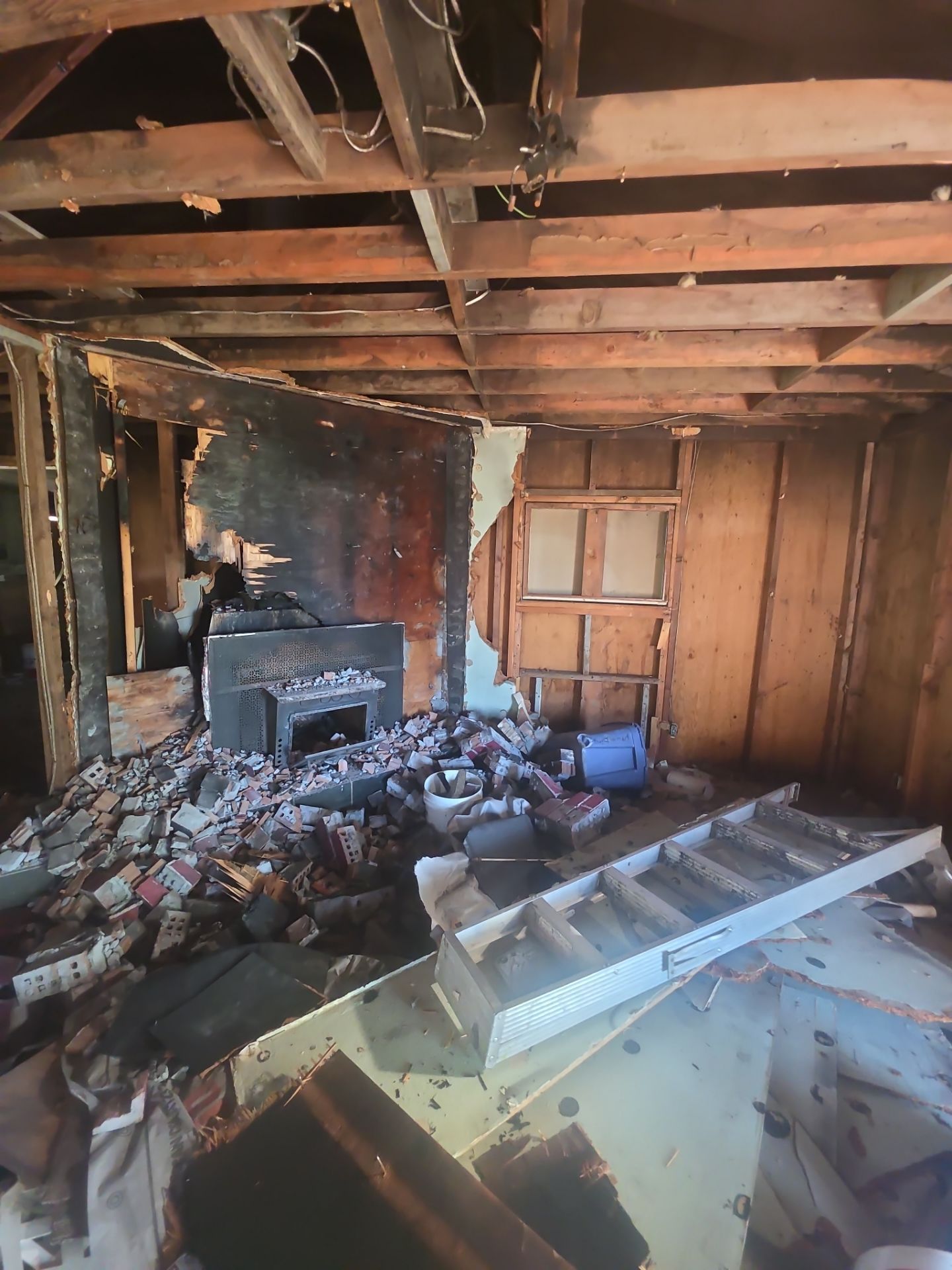
Smoke infiltration from wildfires or home fires leaves acidic residue on walls, ceilings, and furnishings that continues damaging surfaces and producing odor long after flames are extinguished. In Silverton, wildfire season smoke penetrates homes through ventilation systems and small gaps, depositing particles that standard cleaning cannot remove. PurePoint Cleaning and Restoration addresses both visible soot and invisible smoke particles embedded in porous materials, using IICRC-certified fire restoration protocols to eliminate odor at the molecular level rather than masking it.
Fire restoration begins with removing loose soot using specialized vacuums equipped with HEPA filtration, followed by application of eco-safe cleaning agents formulated to neutralize acidic residue without damaging painted surfaces or finishes. Contents are cataloged and cleaned using methods matched to each material type, while structural surfaces receive treatments that break down smoke particles trapped in drywall texture and wood grain.
Arrange an evaluation to assess smoke damage severity and identify affected areas requiring specialized cleaning.
What Hydroxyl Technology Accomplishes That Cleaning Alone Cannot
Hydroxyl generators produce safe oxidizing molecules that neutralize smoke odor by breaking down odor-causing compounds at the molecular level, reaching areas that physical cleaning cannot access such as wall cavities, HVAC ductwork, and the interior of electronics. Unlike ozone treatment, which requires property evacuation, hydroxyl technology operates safely while occupants remain in the building, continuously treating air and surfaces over several days. This eliminates the need for repeated cleaning attempts when odor resurfaces after surface-only treatments.
Once hydroxyl treatment completes, previously affected rooms no longer carry the acrid smell that triggers immediate recognition of fire damage, and fabrics that absorbed smoke lose the odor that resisted washing. HVAC systems circulate clean air without redistributing smoke particles, and opening cabinets or closets does not release trapped smoke smell.
Fire restoration includes testing affected materials to determine whether cleaning will restore them or if replacement is necessary, providing documentation that insurance adjusters use to approve claims. The process addresses hidden smoke migration into adjoining rooms, preventing odor from spreading to areas that appeared unaffected during initial inspection.
Common Questions About Smoke Damage Removal
Smoke damage affects homes differently depending on fire source and duration, and property owners often need clarity about what professional restoration involves and how it differs from surface cleaning.
What makes smoke odor return after cleaning?
Smoke particles penetrate porous materials like drywall, insulation, and wood framing where surface cleaning cannot reach them. When humidity rises or temperatures change, these embedded particles release odor again, creating the impression that cleaning failed when in fact the source was never addressed.
How does wildfire smoke damage differ from structure fire damage?
Wildfire smoke produces finer particles that penetrate deeper into materials and travel farther through ventilation systems, often affecting entire homes rather than isolated rooms. The acidic content in wildfire smoke is lower than structure fire smoke, but the volume and distribution require whole-house treatment approaches rather than localized cleaning.
Why is hydroxyl treatment more effective than air fresheners or ozone?
Hydroxyl generators break down odor molecules chemically rather than masking them, and unlike ozone treatment they operate safely in occupied spaces without requiring evacuation. Treatment continues for days rather than hours, ensuring that odor sources in hidden cavities and porous materials are fully neutralized.
Can smoke-damaged contents be restored or do they require replacement?
Contents restoration depends on material type, smoke exposure duration, and acid residue levels. PurePoint Cleaning and Restoration evaluates each item, cleaning what can be saved using fabric-specific or surface-specific methods, and documenting items that require replacement for insurance purposes.
How long does complete smoke odor elimination take?
Odor elimination time varies based on smoke exposure severity and the number of porous materials affected, typically requiring three to seven days of hydroxyl treatment combined with surface cleaning. Final verification involves testing air quality and inspecting previously affected areas to confirm that odor sources have been fully neutralized.
PurePoint Cleaning and Restoration provides IICRC-certified fire restoration with hydroxyl technology and eco-safe cleaning methods. Schedule a smoke damage assessment to determine the extent of treatment needed and receive a detailed restoration plan with transparent pricing.