Low-Moisture Methods Prevent Rapid Resoiling
Carpet cleaning in Silverton for deep cleaning with antimicrobial protection in homes and businesses with high-traffic carpeting
Traditional steam cleaning saturates carpet backing and padding with moisture that takes hours to dry, creating conditions for rapid resoiling and mold growth in Silverton's humid climate. Low-moisture carpet cleaning uses controlled application of cleaning solution and immediate extraction, leaving carpets dry enough to walk on within one to two hours while removing embedded soil and allergens. PurePoint Cleaning and Restoration applies antimicrobial treatment during cleaning to prevent bacterial and mold growth in carpet fibers, addressing the moisture retention issues that cause musty odors in valley homes where humidity remains elevated year-round.
The cleaning process begins with dry soil removal using commercial vacuums, followed by application of eco-safe cleaning solution through controlled spray systems that limit moisture penetration. Counter-rotating brushes agitate fibers to release embedded soil, and powerful extraction immediately removes dissolved dirt along with most of the applied moisture. Antimicrobial treatment follows, protecting fibers from microbial growth as residual moisture evaporates.
Schedule carpet cleaning to remove accumulated soil and apply antimicrobial protection before traffic patterns become permanently embedded.
What Proper Carpet Cleaning Requires Beyond Surface Appearance
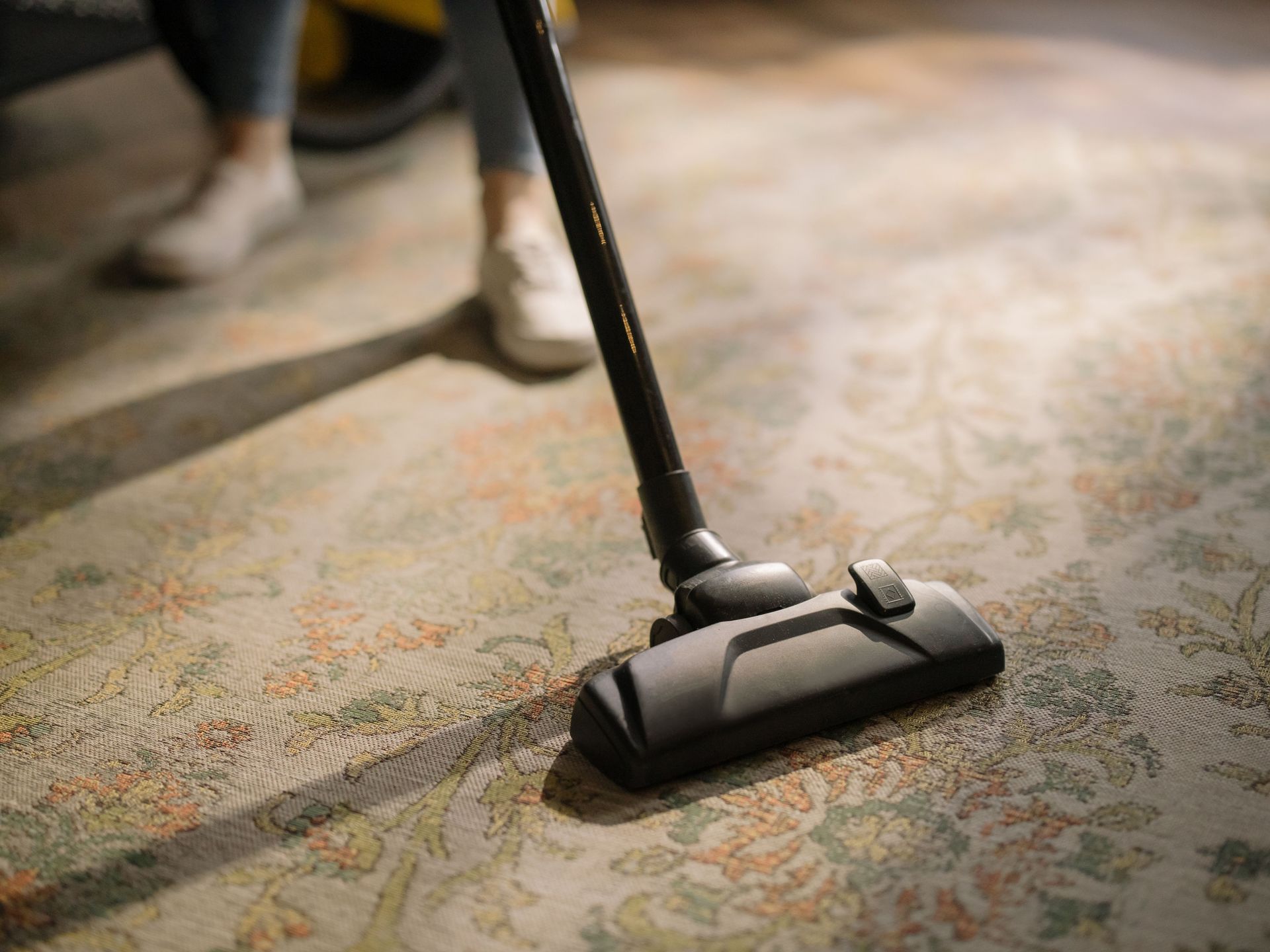
Professional carpet cleaning requires adjusting moisture levels, agitation intensity, and chemical selection based on fiber type, soil level, and backing construction to avoid damage while removing soil that vacuuming leaves behind. Synthetic fibers tolerate more aggressive agitation than wool, and carpets with jute backing require minimal moisture to prevent deterioration and odor. Low-moisture methods prevent overwetting that causes delamination, shrinkage, and browning from trapped cleaning solution or wicking of soil from backing to fiber tips.
After cleaning, high-traffic areas that appeared dull and grayish regain their original color depth, and carpet texture feels softer underfoot without the crunchy residue that indicates soap buildup. Walking on cleaned carpet does not produce rapid resoiling or leave footprints as wet carpet would, and the musty odor common in humid climates does not develop as fibers dry. Transparent pricing provided through HousecallPro shows exactly what the service costs before work begins, with no adjustments or surprise fees after completion.
The service includes moving light furniture and replacing it once cleaning is complete, and a 100% satisfaction guarantee ensures that any areas requiring additional attention receive reservice at no extra cost. A 90-day workmanship warranty covers the cleaning process itself, verifying that proper methods were used and that no damage resulted from the service.
Answers to Frequent Carpet Cleaning Questions
Carpet cleaning methods vary significantly in moisture use and drying time, and property owners need clarity about what low-moisture cleaning accomplishes versus traditional steam cleaning approaches.
Why does low-moisture cleaning prevent rapid resoiling better than steam cleaning?
Low-moisture cleaning applies minimal solution and removes it immediately, preventing soap residue that attracts soil back to fiber surfaces. Steam cleaning often leaves dissolved soil and cleaning agents in backing and padding where they wick upward as carpet dries, making traffic areas appear dirty again within days.
How long until carpets are dry enough to walk on after cleaning?
Low-moisture cleaning leaves carpets damp rather than soaking wet, allowing foot traffic within one to two hours and complete drying within four to six hours in typical conditions. This prevents the extended drying time that creates mold risk in high-humidity areas like Silverton.
What does antimicrobial treatment add to the cleaning process?
Antimicrobial treatment applied during cleaning prevents bacterial and mold growth in carpet fibers as residual moisture evaporates, addressing the primary cause of musty odors in humid climates. The treatment remains active in fibers between cleanings, reducing odor development and extending the time until the next cleaning is needed.
How often should carpets be professionally cleaned in high-traffic areas?
High-traffic areas benefit from professional cleaning every six to twelve months depending on household size, pet presence, and soil accumulation rate. Regular cleaning prevents permanent traffic patterns from forming and extends carpet life by removing abrasive particles that cut fibers during foot traffic.
Are eco-safe cleaning solutions as effective as traditional chemicals?
Modern eco-safe cleaning solutions break down soil and oils effectively while eliminating harsh chemical residues that affect indoor air quality and irritate sensitive individuals. These solutions meet green certification standards while delivering cleaning results comparable to traditional chemicals in most residential applications.
PurePoint Cleaning and Restoration provides low-moisture carpet cleaning with antimicrobial protection and transparent pricing through HousecallPro. Request a free estimate to see exact service costs before scheduling cleaning for your home or business.